

123-20203
Londiani.
Old CDF offices

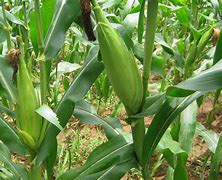
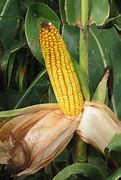
There are few pure varieties of maize at present because farmers tend to grow the more productive hybrids and composites. The Kenya Flat Complex is one of the low yielding varieties but has good sheathing which prevents damage by weevil when stored with husks on.
Several hybrids and composites are produces in various research stations like the National research Staation - Kitale, Embu Research Station, Katumani Research Station Machakos and Coast Agricultural Research Station - Mtwapa.
Hybrids are bred by crossing inbreed lines or varieties under conditions of controlled pollution. Composites on the other hand are bred growing a number of varieties together under uncontrolled pollination, there is free inter pollination.
These hybrids and composites are produced for specific altitudes in the country. Some of these are Kitale hybrids for example 614, 622, 625, 626. 627, and 632. They are generally grown in medium to high altitude zones. Embu hybrids include 511 and 513, they grow best in medium altitude zones. Katumani composites have been developed for lower altitude zones. Coast composites, Pwani hybrid 1 and pwani hybrid 4 have been developed at the Coast Agricultural Research Station - Mtwapa for cost province. Others include double cob varieties for example DH01 and DH02.
The choice of appropriate maize varieties for a given location is very important because every variety has extensively been tested and recommended based on climatic conditions, soil type, yield potential, tolerance/resistance to pest and diseases or maturity period among others.
Open Pollinated Variety (OPV): Open Pollinated Varieties or composite (e.g. "Katumani", "Coast Composite") are stabilised varieties in which farmers do not need new seed each year. If farmers follow proper selection procedures they can use their seeds selected from their harvests up to three seasons after which they can buy fresh seeds from seed companies. However, yields of OPV are lower than hybrids.
Local Seeds: Low to medium yields, usually well sheathed and so more resistant to weevil attack in storage, possibly more palatable to local tastes. Example: Kikuyu maize. Exotic varieties of maize can be collected to add genetic diversity when selectively breeding new domestic strains
Hybrid: Hybrids are high yielding and new certified seeds should be purchased every season. They are high yielding but also requiring large amounts of fertilizer.
Maize variety selection depends on:
i) End-use
Maize is primarily grown for grains, silage and stock feed. Ensure the variety you grow is suited to the end use market you are aiming for.
ii) Maturity
Plan to sow seeds of chosen variety in the recommended planting windows outlined in Table 2, ensuring maturity, expected rainfall and expected harvest time (days to harvest) . It is also important to ensure harvest will not be far into the dry season as prolonged drought will encourage the onset of aflatoxin in maize.
iii) Stability
Select varieties that have well developed roots, strong stalks, and are resistant to root and stalk rot. These features help prevent the plant from falling over/logging, which can lower the yield and quality of the grain.
iv) Insect and disease tolerance/resistance
Always select a maize variety that is known to have tolerance/resistance to a disease or insect pest common in your area where is to be grown so as to attain maximise yield potential.
Note: If you receive or acquire a new maize variety, then test it on small plots before scaling up the production to big plots. Observe and compare the performance of the new variety with the other varieties at every stage of growth under similar management conditions of planting time, weeding and soil fertility management. This will help you to choose the best performing variety under local prevailing conditions.


Share This News