

123-20203
Londiani.
Old CDF offices

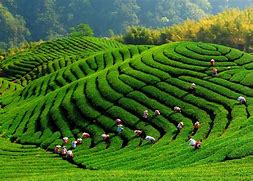
Clonal planting materials are developed through scientific innovations by the Tea Research Foundation of Kenya (TRFK) which have made vegetative propagation possible resulting in high yielding well adapted varieties. The selection of planting materials is enhanced by mapping the genetic and environmental conditions; where genotype – environment interaction trials are carried out as useful selection criteria for determining clonal genetic potential and adaptation so as to match the clones to specific areas where productivity can be maximized. The developed clones are subjected to environmental response tests are various representative sites. So far the TRFK has developed about 50 varieties.
Kenya’s distinct and high quality teas are made from the upper two leaves and a bud. The young shoots are plucked in regular cycles ranging from seven to fourteen days. Kenya teas are mainly manufactured using the Cut, Tear and Curl (CTC) method to ensure maximum cuppage per unit weight. Kenya prides itself as the producer of the best black tea in the world due to the good agronomical and manufacturing practices and the ideal tea growing conditions. Kenya tea liquors range between good medium to very fine qualities, attributes that make Kenya tea the most sought after beverage in the world.
Objective of nursery establishment
A tea nursery is established so that the young plants can be raised under controlled conditions of light, water, temperatures and pests, diseases and weeds control.
Site selection
A good tea nursery should be strategically located in order to provide maximum ease in management and good establishment of the plants. The following basic requirements should be observed when raising a tea nursery;-The nursery site should be near a suitable and adequate water source, Site sheltered from prevailing wind, The nursery site should be close to sources of suitable soil for pot filling, On sloppy areas, the site should face the sun, valleys and areas prone to frost should be avoided. The area should also be accessible at all times and should be secure.
Nursery soils and fertilizers
Ideal nursery soils should have a pH of 5.0-5.8 (optimal Ph 5.6), where the soils should be free draining and friable, free from murram, stones, dead woods and roots.
Fertilizer use, type and application rates should be as per tea grower’s handbook or an approved producer manual.



Share This News